
Durum wheat, vegetables and oil: the rest is a side dish
A poor man's cooking that became famous without changing much.
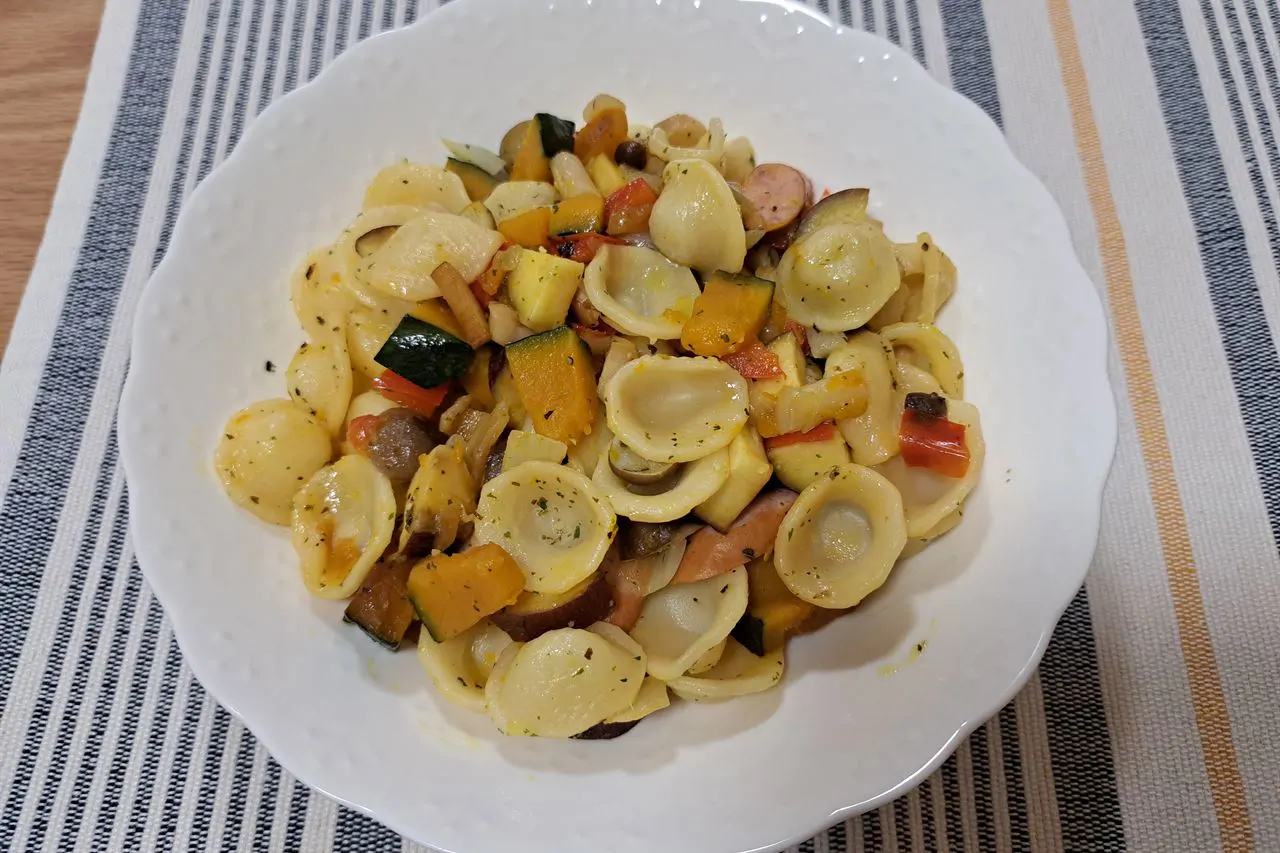
Apulian cooking is made of three things: durum wheat, vegetables and olive oil. There is little meat, fish where there is a harbour, and the rest is pulses and greens cooked in ways that elsewhere would be considered a last resort. The result is one of the most imitated regional cuisines in Italy.
The pasta and the bread
Orecchiette are made of semolina and water and dragged into shape with a knife: the reference dressing is turnip tops, tossed with garlic and anchovy. Sagne 'ncannulate and ciceri e tria, pasta half boiled and half fried with chickpeas, belong to the Salento. Altamura bread, semolina and naturally leavened, has had European protected status since 2003 and keeps for a week.
The vegetables
Broad bean puree with wild chicory is the dish that explains the region: two ingredients, no meat, and a result you remember. Then there are lampascioni, which are bitter bulbs, puntarelle, fried peppers and aubergines in every version. The frisella, a twice-baked bread wetted with water and dressed with tomato, is the beach lunch.
The dairy and the bakery
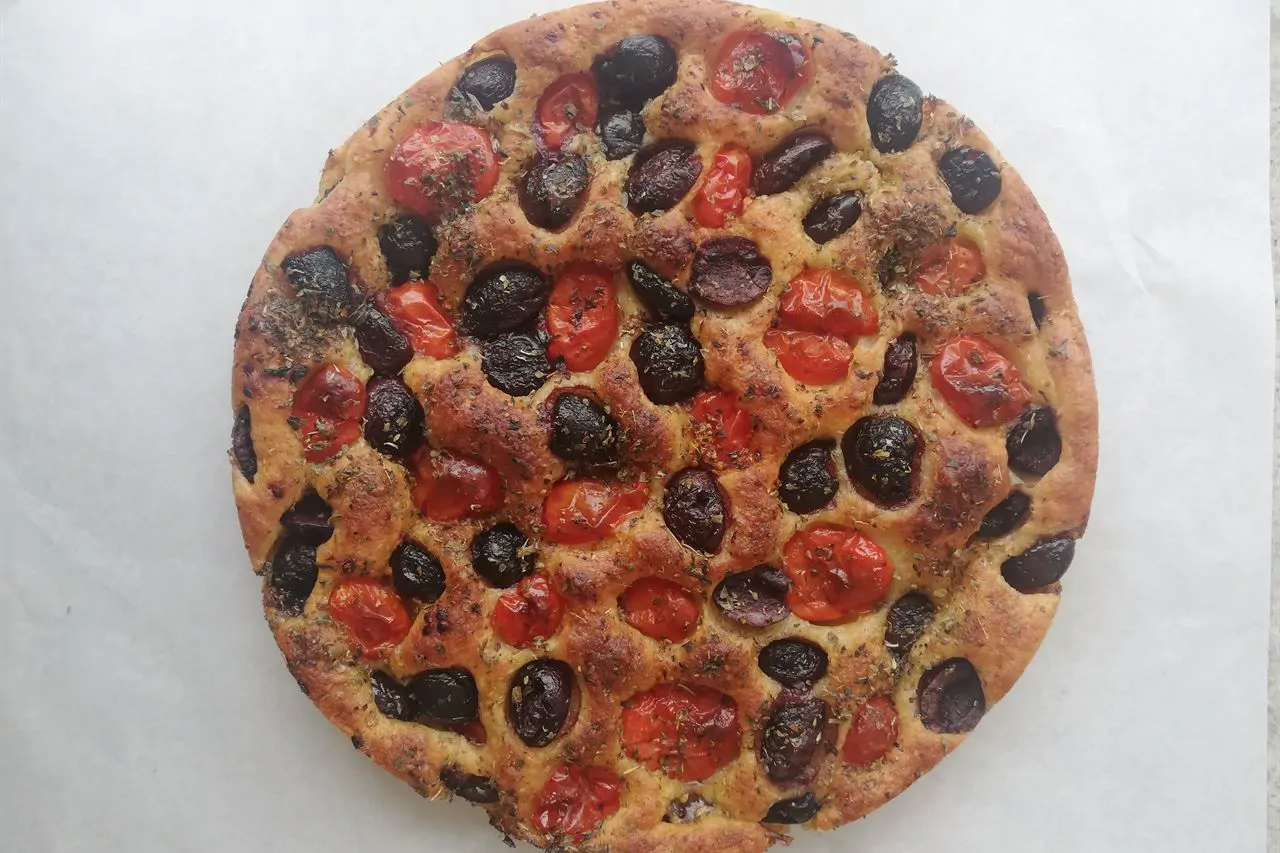
Burrata was born at Andria in the twentieth century as a way of using the leftovers of mozzarella-making: cream and stracciatella go inside a shell of stretched curd. It must be eaten the same day. Focaccia from Bari has potato in the dough, cherry tomatoes and olives. The pasticciotto of Lecce, shortcrust and custard, is eaten warm for breakfast.
What to drink
Primitivo di Manduria and negroamaro from the Salento are dark, high-alcohol wines, born as blending wines and now exported by the bottle. Nero di Troia comes from the north of the region, and Castel del Monte is its denomination. Among the whites are verdeca and bianco d'Alessano from the Valle d'Itria.