
A carnival from the fourteenth century and a night of pizzica
The festivals of Puglia are large, and nearly all of them are danced.
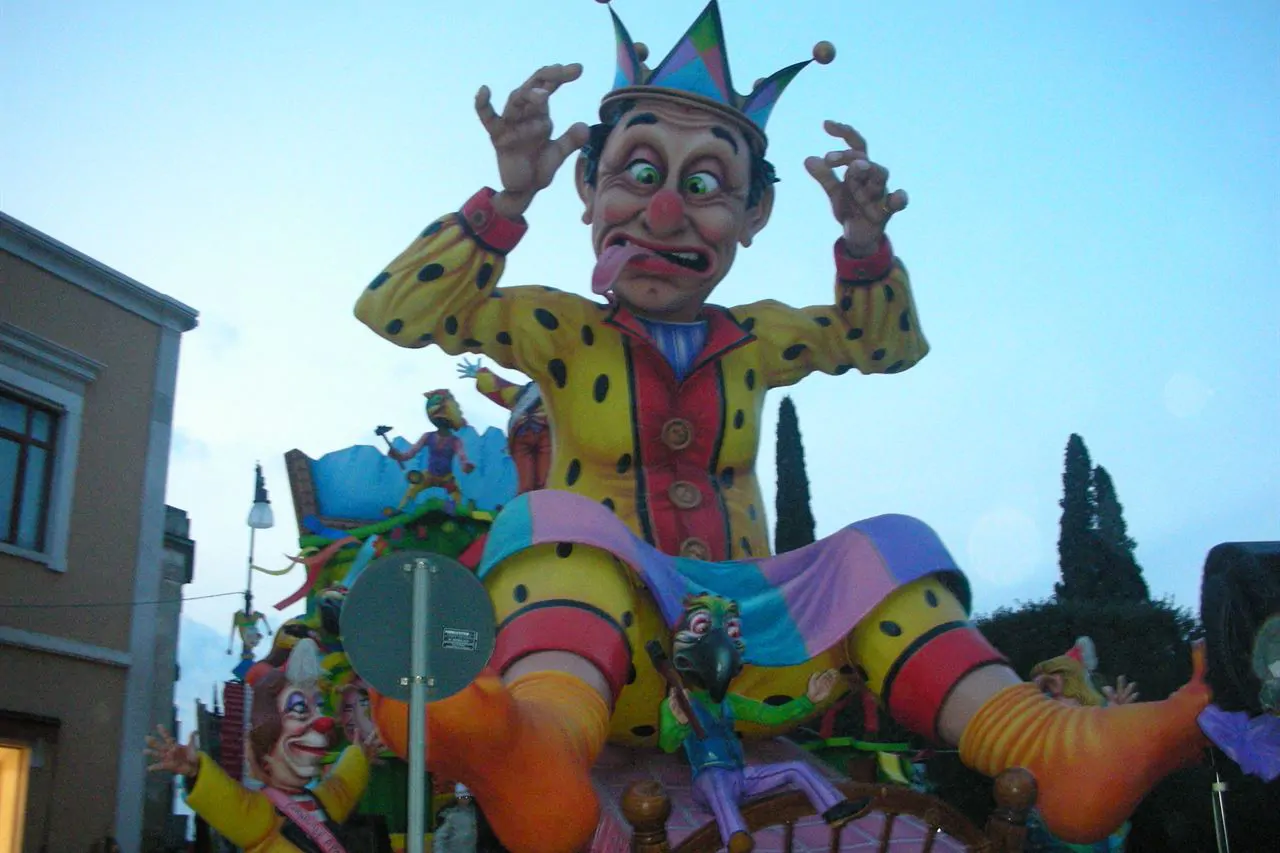
Festivals here are not small village affairs: the carnival of Putignano moves floats ten metres high, the Notte della Taranta brings a hundred thousand people into a field, and the feast of San Nicola at Bari puts a statue on a boat. Anyone coming in summer will mostly meet the second.
The Notte della Taranta
On the last Saturday of August, at Melpignano, in the heart of the Grecia Salentina, comes the closing concert of a festival that runs for three weeks and tours the villages of the Salento. The music is pizzica, which was the music of tarantism, and the dancing goes on until morning. It is free, and the night before it is worth knowing where you will park.
The carnival of Putignano
It starts on the twenty-sixth of December and runs to Shrove Tuesday: it is one of the oldest carnivals in Europe, documented from 1394. The floats are papier-mache, built in sheds that can be visited, and the parades fill the town four Sundays running.
San Nicola at Bari
On the seventh, eighth and ninth of May Bari celebrates the arrival of the relics of Saint Nicholas, brought here by Bari sailors in 1087. The statue goes out to sea on a fishing boat and the old town stays awake all night. It is one of the few Italian festivals also followed by Orthodox believers.
The summer
From June to September every village has its food fair, and on the coast the harbours hold fish feasts. At Oria in August there is the historical procession of Frederick II, at Taranto in spring the Holy Week rites with the hooded confraternities walking at a crawl. The campsite noticeboards cover the rest.